
Business and Entrepreneurship· Article
How Melcom Built a Retail Brand Across Ghana
The history, strategy and execution behind a family business that helped reshape modern shopping
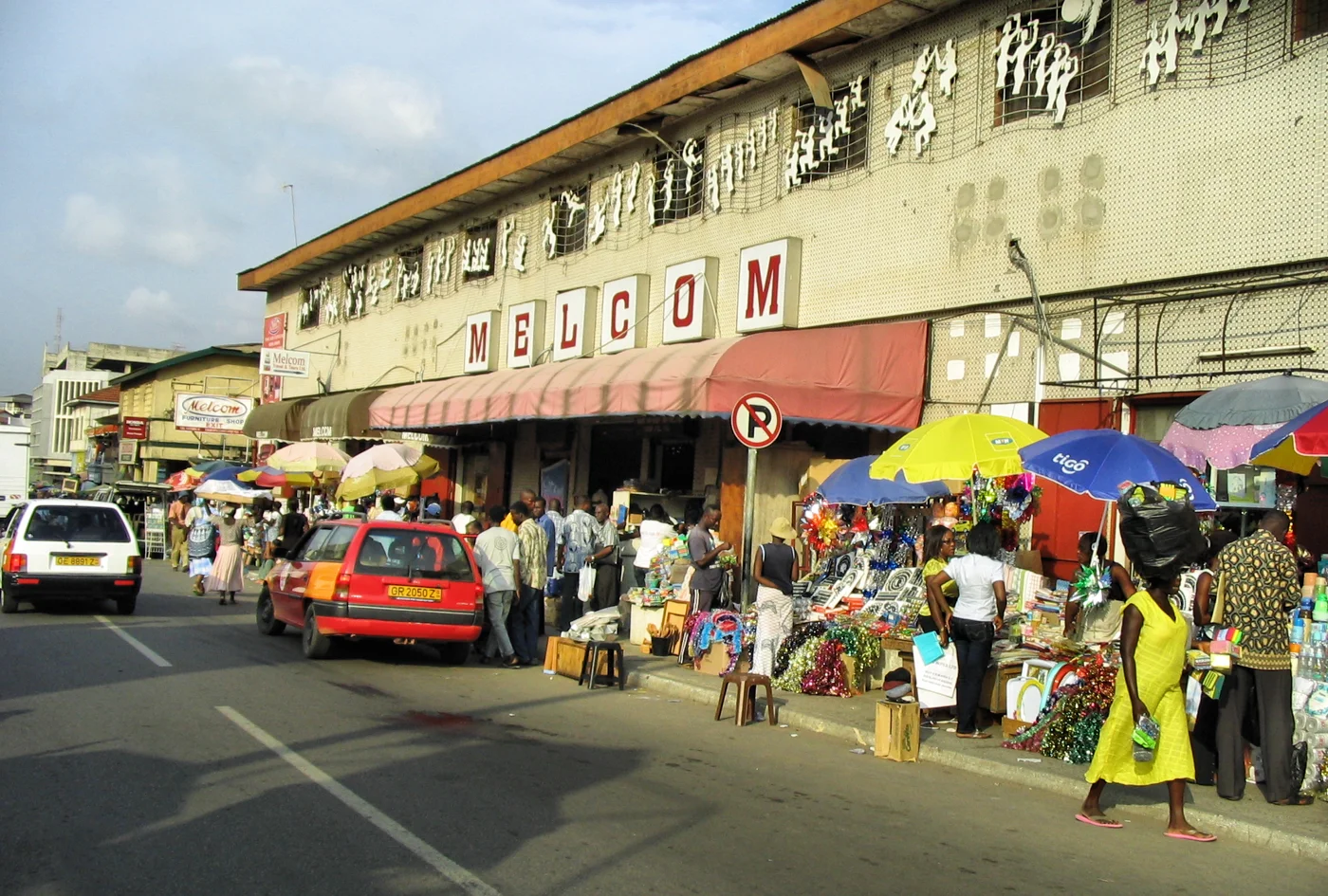
Melcom in Accra, 11 December 2008. Photo: Francisco Anzola, via Wikimedia Commons, CC BY 2.0. Resized for display; no crop.
Melcom grew by making a broad promise practical: useful products, accessible prices and convenient shopping. Its history shows how distribution, service, leadership and repeated investment can turn that promise into a lasting business.
In this article
A national brand built through everyday shopping
Melcom's rise helps explain what it takes to build a business that becomes part of people's routines. Founded in 1989, the company has developed from an Accra retail operation into a network serving customers across Ghana. IFC describes it as the country's largest formal retailer. That distinction matters: Ghana's retail economy also includes markets, independent shops, specialist dealers and many other businesses. Melcom's scale in organised retail does not establish that it controls Ghanaian retail as a whole. [1, 6]
The published record provides several snapshots of its reach. Graphic counted 38 outlets at the new Achimota opening in 2017; Ghana News Agency reported about 48 retail centres in January 2021; IFC's November 2023 assessment recorded 66 stores. The counts come from different dates and reporting contexts, so they indicate scale without forming a precisely comparable growth series. [20, 21, 6]
Its position rests on several connected decisions. It offers a wide range of goods, develops locations close to customers, supports stores with distribution infrastructure, and extends its relationships with shoppers through service and digital channels. A competitor can copy a promotion quickly. Reproducing the organisation behind a nationwide network takes much longer.
For entrepreneurs and students, the question is how these decisions reinforce one another. More locations create an opportunity to buy and distribute at greater scale; dependable supply makes those locations useful; repeated shopping can make the brand more familiar. This is the business explanation developed here from Melcom's documented actions. It is not a claim to have seen a confidential master plan or measured the contribution of each decision to profits.

Photo 26 · Melcom Group; photographer not identified. Picture source. Resized for display; no crop.
The commercial experience that came before Melcom
The family history reaches much further back than the Melcom name. In his published memoir, founder Bhagwan Ramchand Khubchandani traced his father's arrival in the Gold Coast to 1929. Ramchand Khubchandani worked as a shop manager before opening the Glamour retail business with his brother in 1946. The memoir recounts that looting during the unrest of 1948 destroyed their uninsured business, and that an English supplier subsequently extended goods on trust, enabling them to rebuild. [1]
The account is valuable as the family's own explanation of its commercial roots. It also challenges the idea that Melcom appeared from nowhere. The family brought experience of customers, suppliers and business disruption to the enterprise established decades later. Trust had already shown its practical value: a supplier's willingness to extend credit could determine whether a business reopened.
For a young business, reputation is an asset built before a crisis. Paying suppliers as agreed, keeping accurate records and explaining problems early can preserve relationships when cash becomes tight. Reputation does not replace insurance or working capital, but it can affect who is prepared to work with you when both are under pressure.
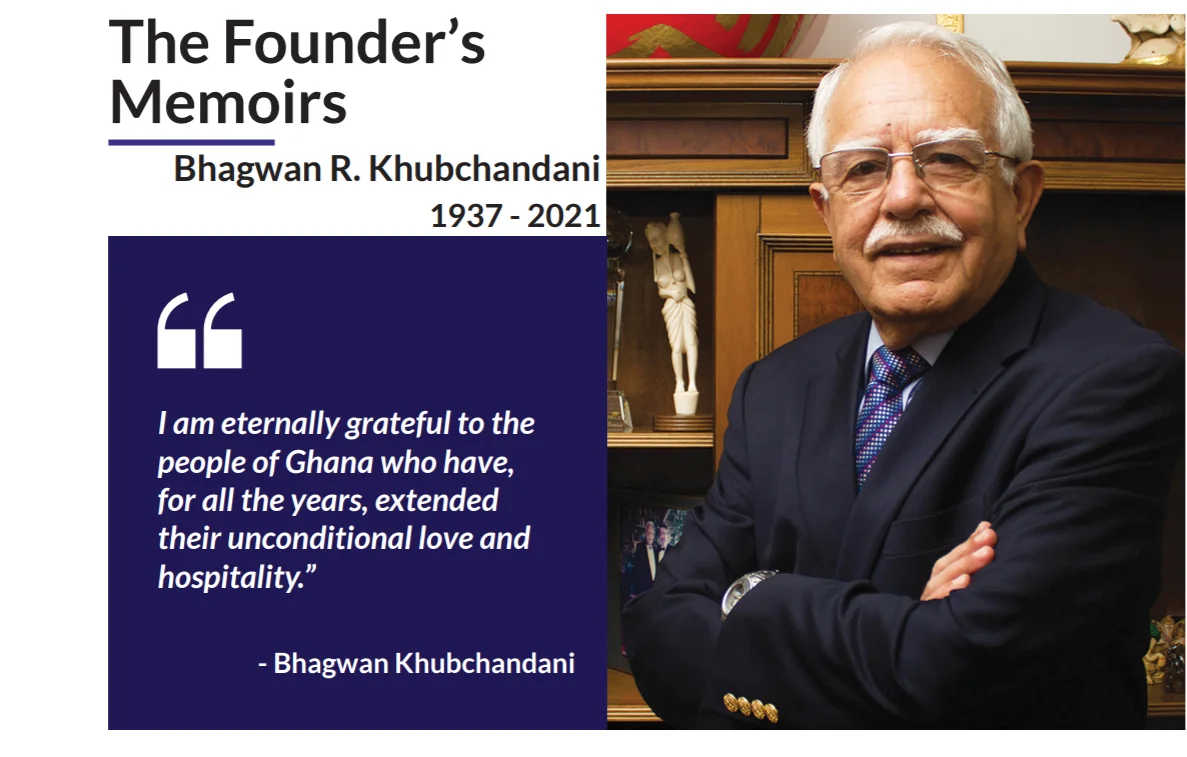
Photo 01 · Melcom Group; underlying photographer not identified. Picture source. Resized for display; no crop.
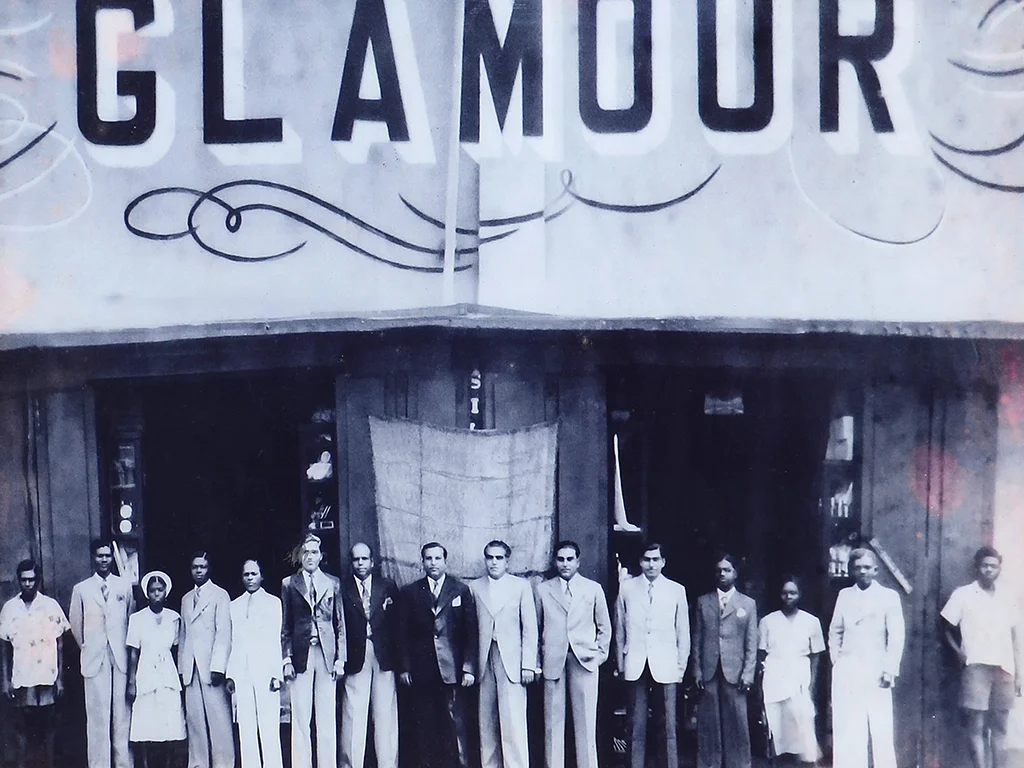
Photo 03 · Melcom Group archive; photographer not identified. Picture source. Resized for display; no crop.
The launch of Melcom and its early expansion
Khubchandani established Melcom in 1989 with his sons-in-law, Mahesh Melwani and Ramesh Sadhwani, according to his memoir. Public accounts differ on the precise first-store date. Reporting from the company's thirtieth anniversary identifies an Accra Central shop in September 1989, while the present corporate history page gives 1991. The consistent starting point is the establishment of Melcom in 1989 and its early Accra Central operation. [1, 2, 3]
A 2019 account of the company's expansion records Kumasi Adum in 1991 and Takoradi in 1992. Those locations illustrate a business moving beyond a single-city identity early in its development. They connected the brand to important commercial centres in different parts of the country. [4]
Opening another shop requires more than confidence in a name. The operator must reproduce buying, stock control, staffing and customer service away from the founder's immediate supervision. Each successful replication creates knowledge that can improve the next opening. The wider entrepreneurial lesson is to make an operation repeatable before assuming that it can be multiplied.
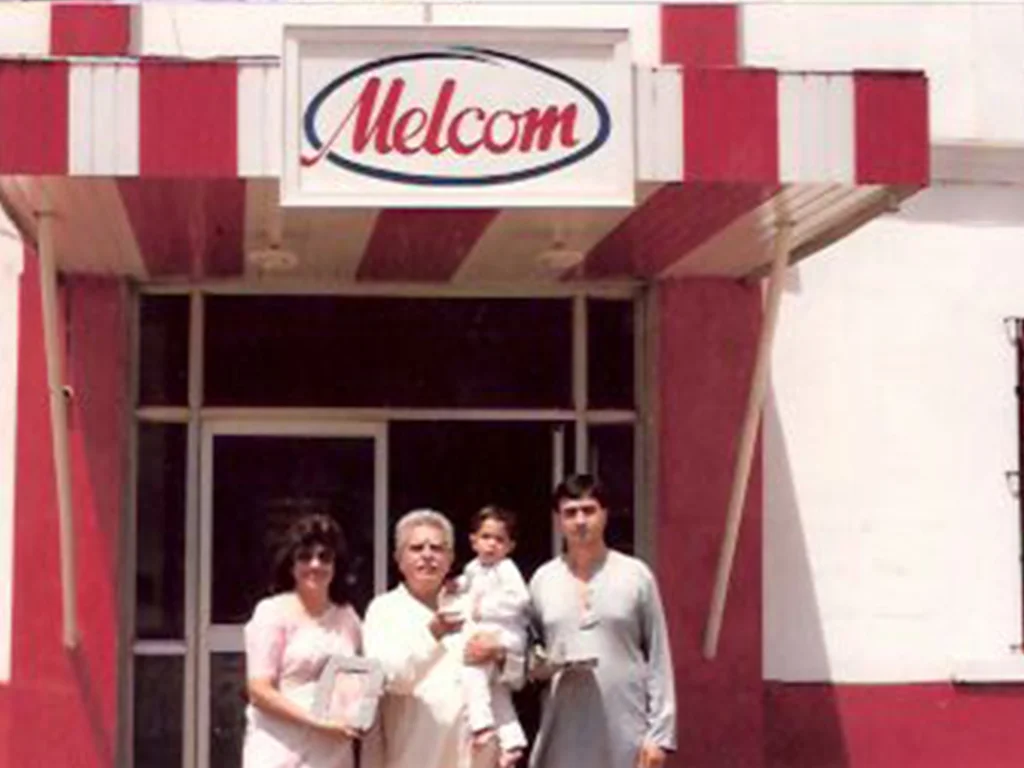
Photo 02 · Melcom Group archive; photographer not identified. Picture source. Resized for display; no crop.
Milestones in the development of Melcom
| Period | Milestone | Documented context | Sources |
|---|---|---|---|
| 1929 | Family roots in the Gold Coast | Ramchand Khubchandani's arrival, as recounted in the founder's memoir | 1 |
| 1946 and 1948 | Glamour and rebuilding | The memoir records establishment of Glamour, then destruction during unrest and recovery with supplier support | 1 |
| 1989 | Melcom established | Family venture with an early Accra Central retail operation; precise first-shop dates differ in public sources | 1, 2, 3 |
| 1991 and 1992 | Early regional expansion | A 2019 report dates Kumasi Adum to 1991 and Takoradi to 1992 | 4 |
| 1992 and 2000 | Supporting businesses | Crownstar established in 1992; Century incorporated into the group in 2000 | 9, 10 |
| 2009 | Customer retention | Supersaver loyalty programme launch, according to Melcom | 5 |
| 2012 | Achimota disaster | The rented store building collapsed on 7 November, killing 14 people | 20 |
| 2017 | New channels and premises | Online retail launch and the opening of a new Achimota store in October | 15, 20 |
| 2021 | Leadership transition and convenience | Founder died in January; Melcom dates the Mini format to this year | 11, 21 |
| 2022 | Brand and structural changes | September identity refresh; Crownstar merged into Melcom | 10, 14 |
| 2024 | Mall expansion and energy investment | West Hills and Accra Mall openings; reported solar installations | 12, 13, 19 |
| 2026 | Further investment and digital ambition | IFC record lists invested milestone in January; management described NOW delivery plans in March | 17, 18 |
A broad offer designed around the customer
Melcom's own description of its retail business emphasises a broad assortment, spanning groceries, household goods, clothing and electronics. It also says its buying team adjusts ranges to local demographics. These are two different capabilities: giving customers a reason to visit, and selecting an assortment that makes sense in a particular location. [5]
The appeal is easy to understand. A household may need provisions, school supplies and a replacement appliance. Being able to address several needs in one visit reduces the time and transport involved in shopping. A retailer can therefore compete on the total convenience of the trip as well as the price printed on an individual shelf.
Breadth also creates operational demands. Every additional line ties up money and needs space, replenishment and supervision. A large assortment can become a liability when slow-moving goods accumulate. Entrepreneurs should read Melcom's range as evidence of an organisational challenge it has chosen to manage, rather than a recommendation to stock everything immediately.
The practical starting point is a clear customer. Identify the purchases that naturally belong together, establish reliable demand, and add categories that improve that customer's trip. Variety becomes strategically useful when it solves a shopping problem and can be financed responsibly.

Photo 16 · Melcom Group; photographer not identified. Picture source. Resized for display; no crop.
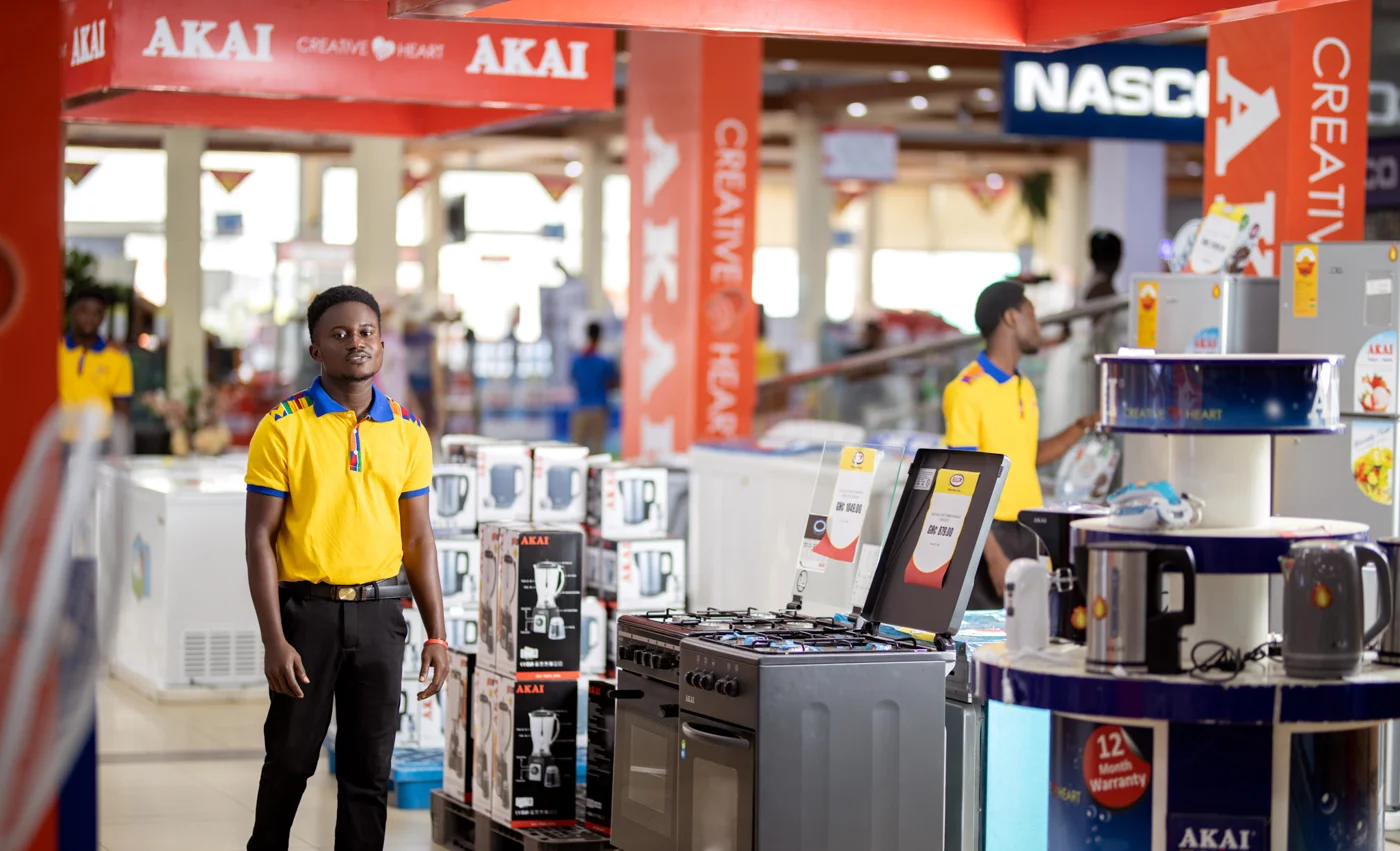
Photo 18 · Melcom Group; photographer not identified. Picture source. Resized for display; no crop.
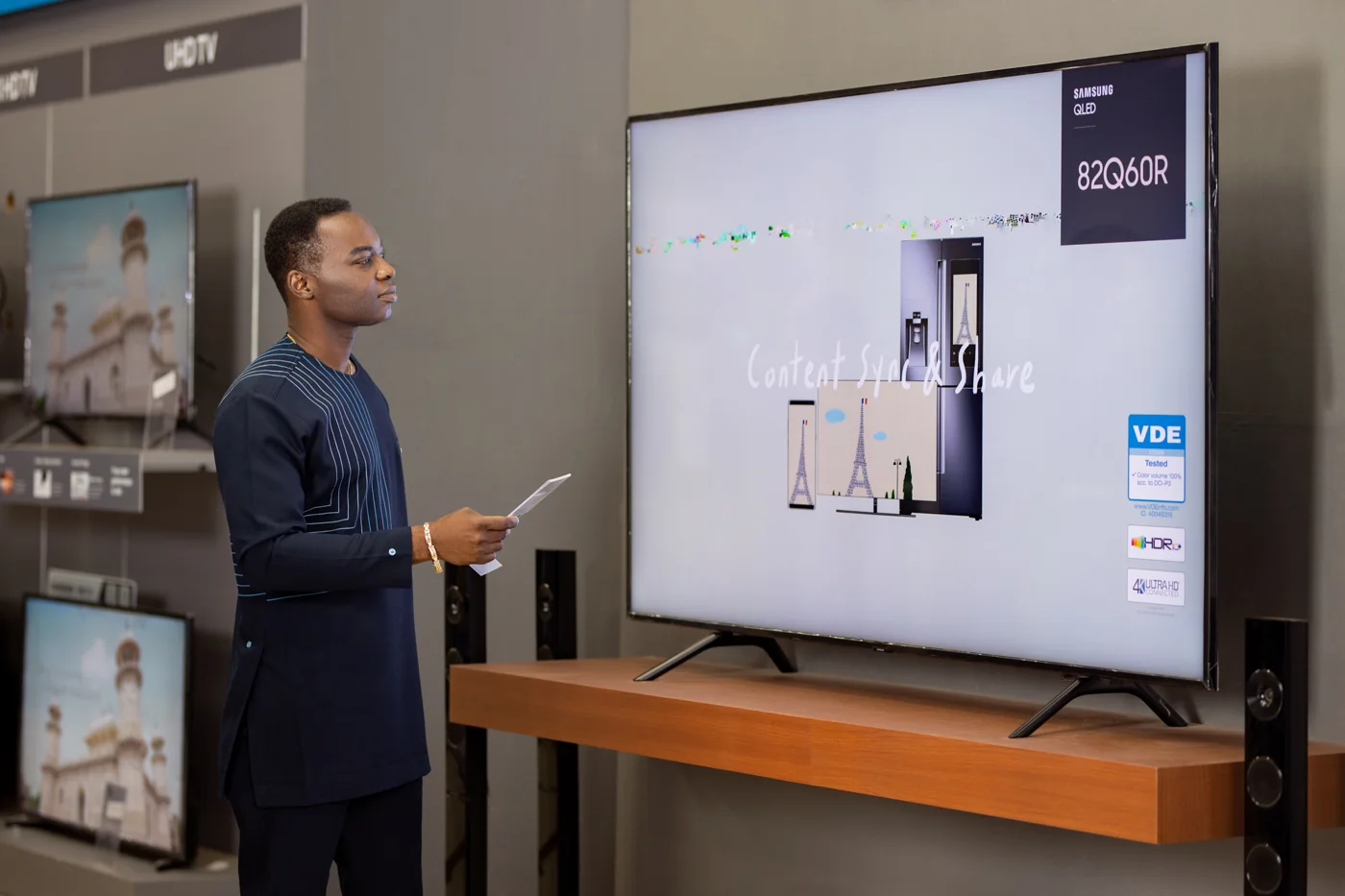
Photo 27 · Melcom Group; photographer not identified. Picture source. Resized for display; no crop.

Photo 28 · Melcom Group; photographer not identified. Picture source. Resized for display; no crop.
Making the brand geographically useful
A national advertising message becomes more convincing when people can reach the stores. In March 2024, Ghana News Agency reported the opening of Melcom's Sefwi-Dwenase branch, its second in the Western North Region after Bibiani. The branch manager described the company's effort to get closer to customers beyond the major cities. [7]
This gives the expansion story a different meaning from simply collecting prestigious addresses. A convenient local branch can save a customer the cost of travelling to another town. It can also put the brand into consideration for routine purchases that would otherwise go elsewhere.
Location remains an investment decision. Demand, access, delivery routes, rent or construction costs, and the time required to reach sustainable sales all matter. Geographic reach can strengthen a business when stores are economically useful. Distance between branches, weak demand or expensive replenishment can undermine the same strategy.
For a smaller company, the lesson is to choose the next location using evidence from the existing operation. Where do customers already travel from? Which products do they repeatedly request? Can the supply system serve the new site without weakening the first? Expansion should answer these questions before it becomes a branding announcement.
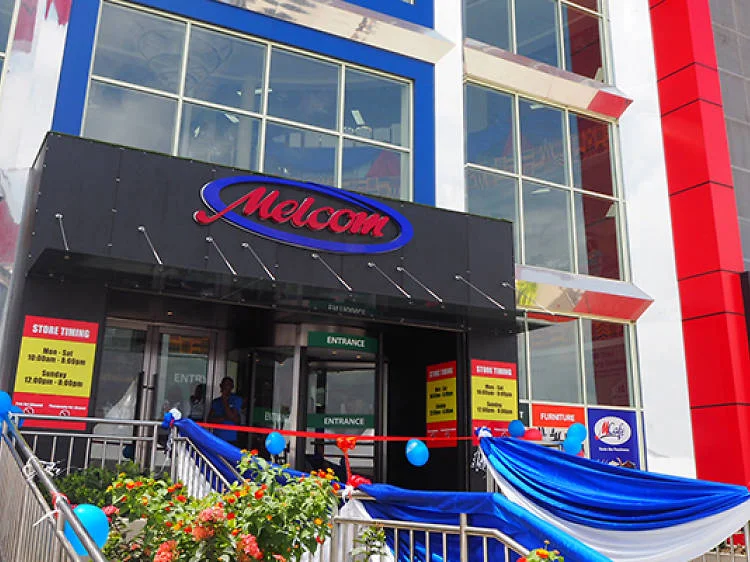
Photo 19 · Time Out Accra; photographer not specified on reviewed page. Picture source. Resized for display; no crop.
The distribution system behind the shelves
Melcom describes a substantial logistics base at Tema Free Zone, including 450,000 square feet of warehousing on 16 acres, cold storage and a vehicle fleet. Its infrastructure page also describes central IT connections between the back office, warehouses and stores. These are company-reported infrastructure specifications, rather than independently audited current capacity figures. [8]
The strategic value lies in coordination. A shop loses usefulness when the products customers expect are unavailable. Central distribution gives a chain the means to consolidate goods, organise replenishment and support consistent operating routines across locations. Cold storage expands what it can handle, although maintaining temperature control adds cost and responsibility.
A supplier may be more willing to negotiate favourable terms with a buyer that can take meaningful volumes and distribute them reliably. That is a plausible benefit of scale; public information does not reveal the exact savings Melcom receives or how they compare with competitors' terms.
There is an equally important cash lesson. Inventory is money committed before a sale. A growing retailer needs to monitor how quickly goods sell, what is expiring or becoming obsolete, and how much cash is required before suppliers must be paid. A warehouse can support growth while also concealing expensive stock mistakes. The discipline is to improve availability without allowing unsold goods to consume the resources needed for the next purchase.
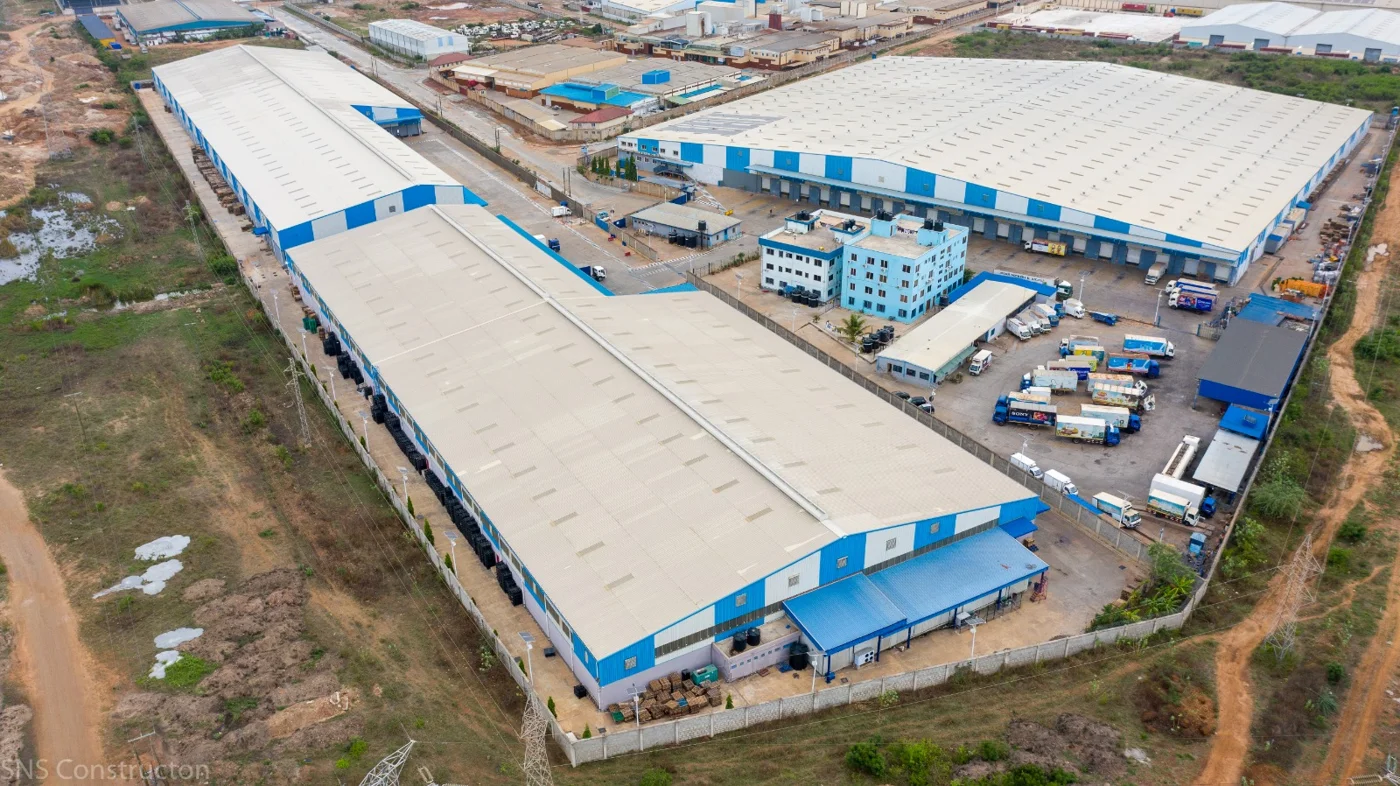
Photo 13 · Melcom Group; photographer not identified. Picture source. Resized for display; no crop.
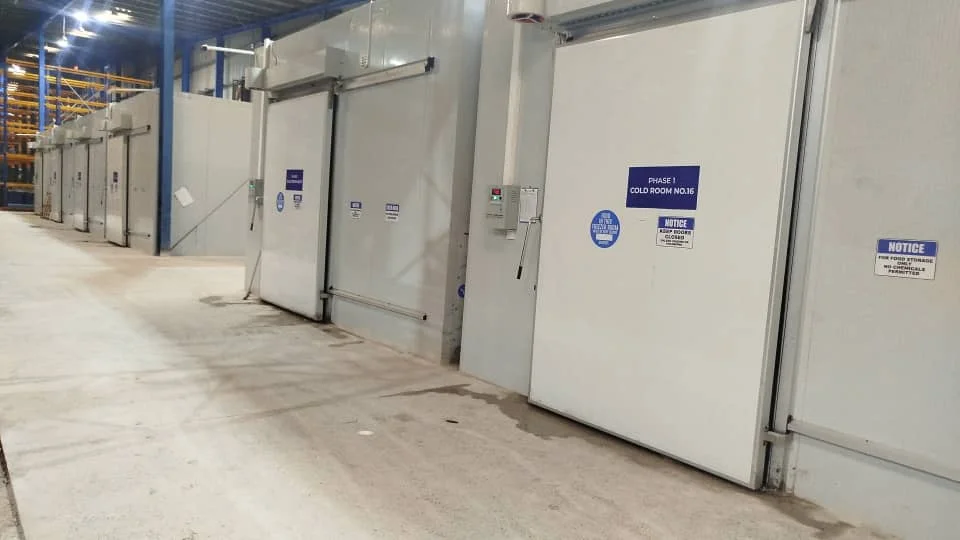
Photo 14 · Melcom Group; photographer not identified. Picture source. Resized for display; no crop.
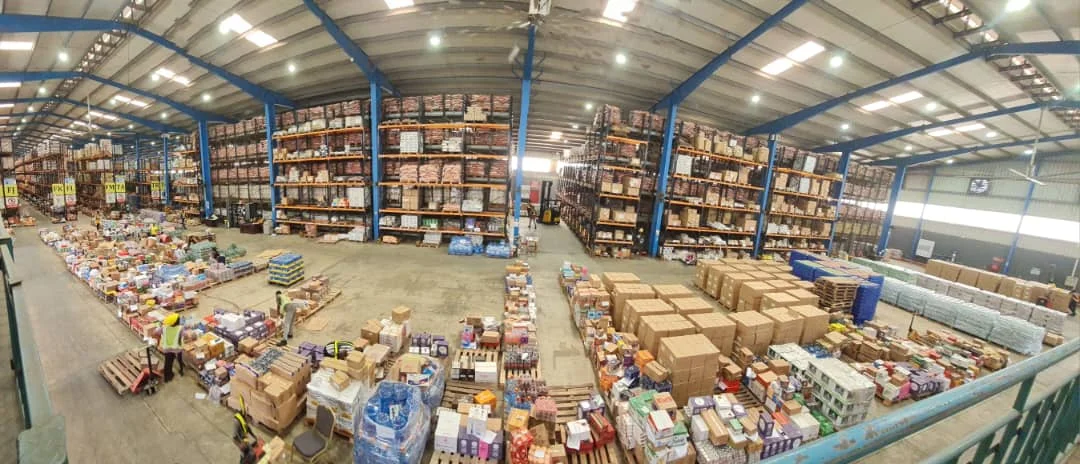
Photo 15 · Melcom Group; photographer not identified. Picture source. Resized for display; no crop.
Local supply and selective integration
Melcom's model combines imports with a meaningful domestic supply base. IFC's environmental and social review, drawing on its November 2023 assessment, stated that more than half of Melcom's retail products were sourced from local suppliers and manufacturers. This describes sourcing; it should not be converted into a claim that more than half of sales value represents goods manufactured in Ghana. [6]
The group also participates in production. Century Industries was incorporated into the group in 2000 to manufacture plastic products. Crownstar's official profile dates its establishment to 1992 and its merger into Melcom to 2022; its work includes electronics assembly and after-sales service. [9, 10]
These activities help explain backward integration: a company undertakes some of the work that would otherwise sit with an upstream supplier. Integration can improve control over selected products, specifications or service. It also requires specialist management, equipment and capital. Manufacturing does not automatically become economical because a retailer owns the factory.
For an entrepreneur, a sensible sequence is to identify the recurring problem first. If quality, supply delays or repair access repeatedly damage the customer experience, closer partnerships or selective integration may help. Compare those options with buying from a capable independent supplier. Ownership should earn its place through a clear operational benefit.
Different formats for different shopping needs
The same customer may shop differently on different days. Melcom's formats reflect that reality. Its larger department stores support broad shopping trips, while Melcom Mini, which the company dates to 2021, addresses convenience shopping. Cash-and-carry depots serve bulk distribution. [11, 2]
Melcom has also entered major malls. At West Hills Mall, its February 2024 opening occupied approximately 5,918 square metres. In December 2024, Graphic reported a 2,660-square-metre Accra Mall branch in space previously occupied by Game. These are dated examples of the company adapting its presence to established shopping destinations. [12, 13]
The strategic opportunity is to meet several purchasing occasions with an offer suited to each. A quick essentials trip differs from furnishing a home or buying stock for resale. A business can deepen its relevance by recognising those differences.
The risk is complexity. Each format needs an appropriate range, staffing model, stock levels and cost structure. A successful large store does not prove that a convenience outlet will work, and a busy branch does not prove that its wholesale activity is profitable. Expansion across formats needs separate performance measurement as well as a shared brand.
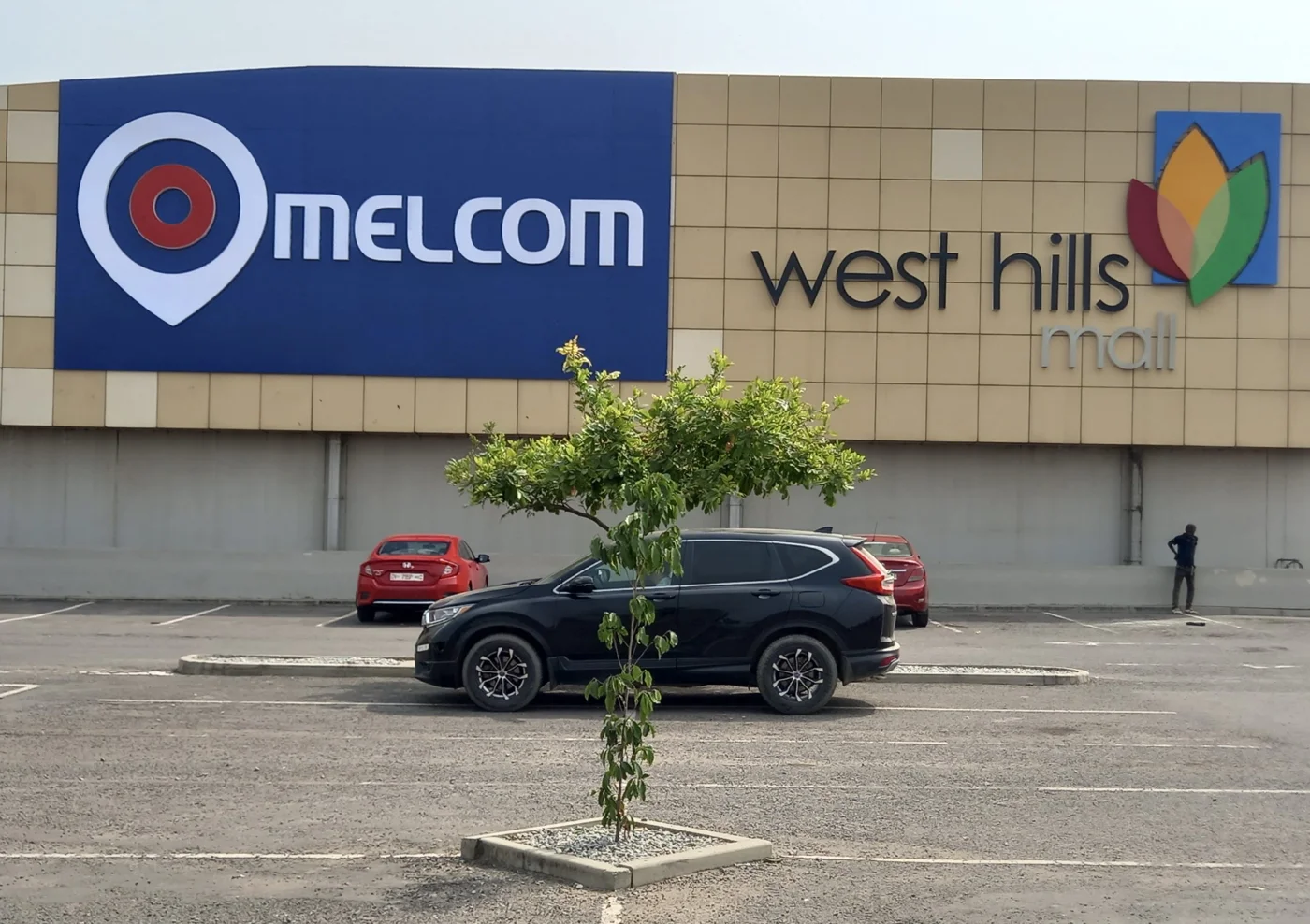
Photo 20 · Citi Newsroom; photographer not identified. Picture source. Resized for display; no crop.

Photo 23 · Caleb Vanderpuye / Graphic Communications Group. Picture source. Resized for display; no crop.
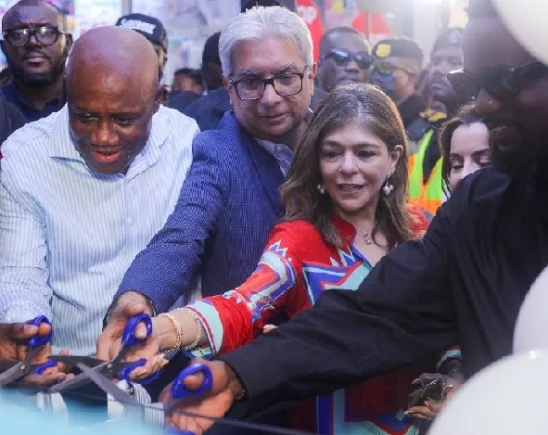
Photo 24 · Graphic Communications Group; specific image credit to confirm. Picture source. Resized for display; no crop.

Photo 25 · Graphic Communications Group; specific image credit to confirm. Picture source. Resized for display; no crop.
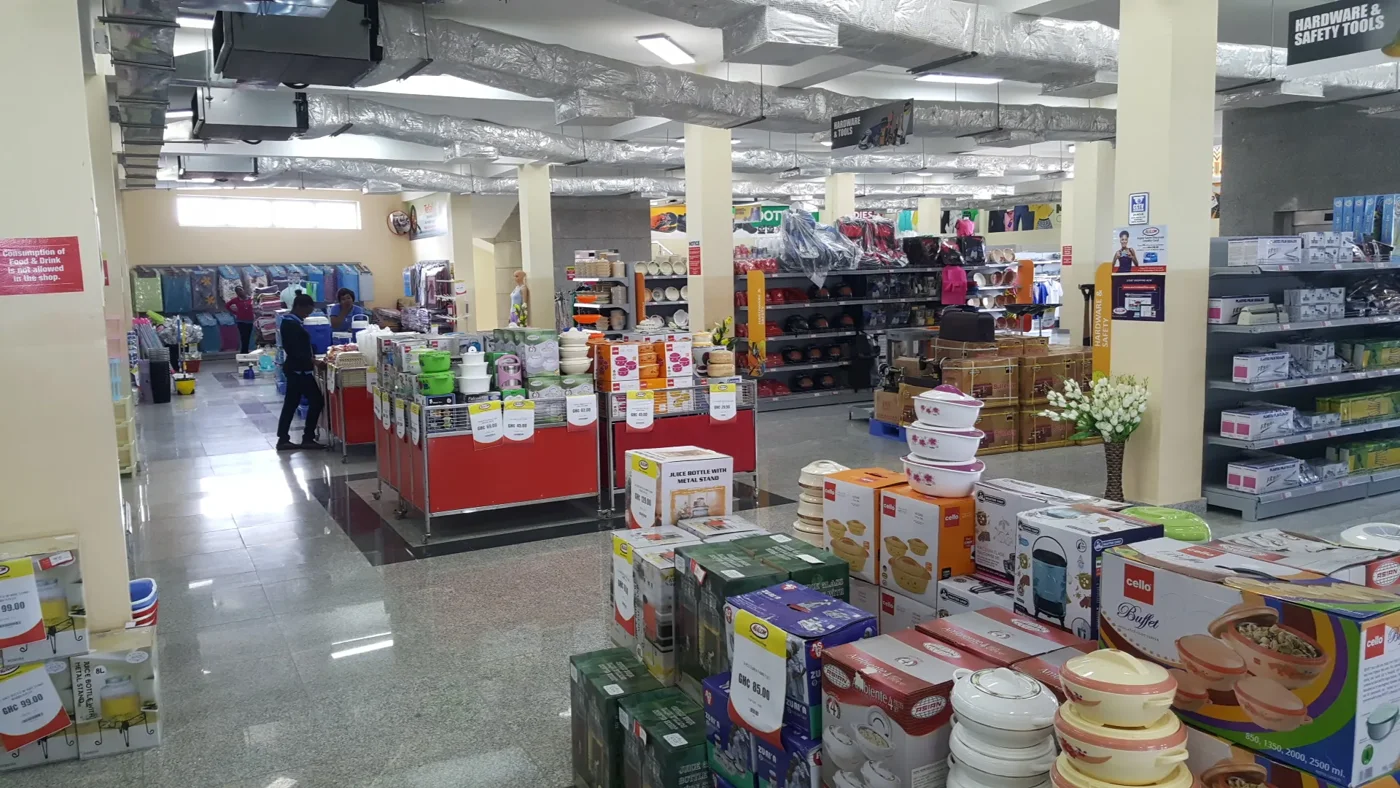
Photo 29 · TortoisePath listing; underlying photographer unconfirmed. Picture source. Resized for display; no crop.
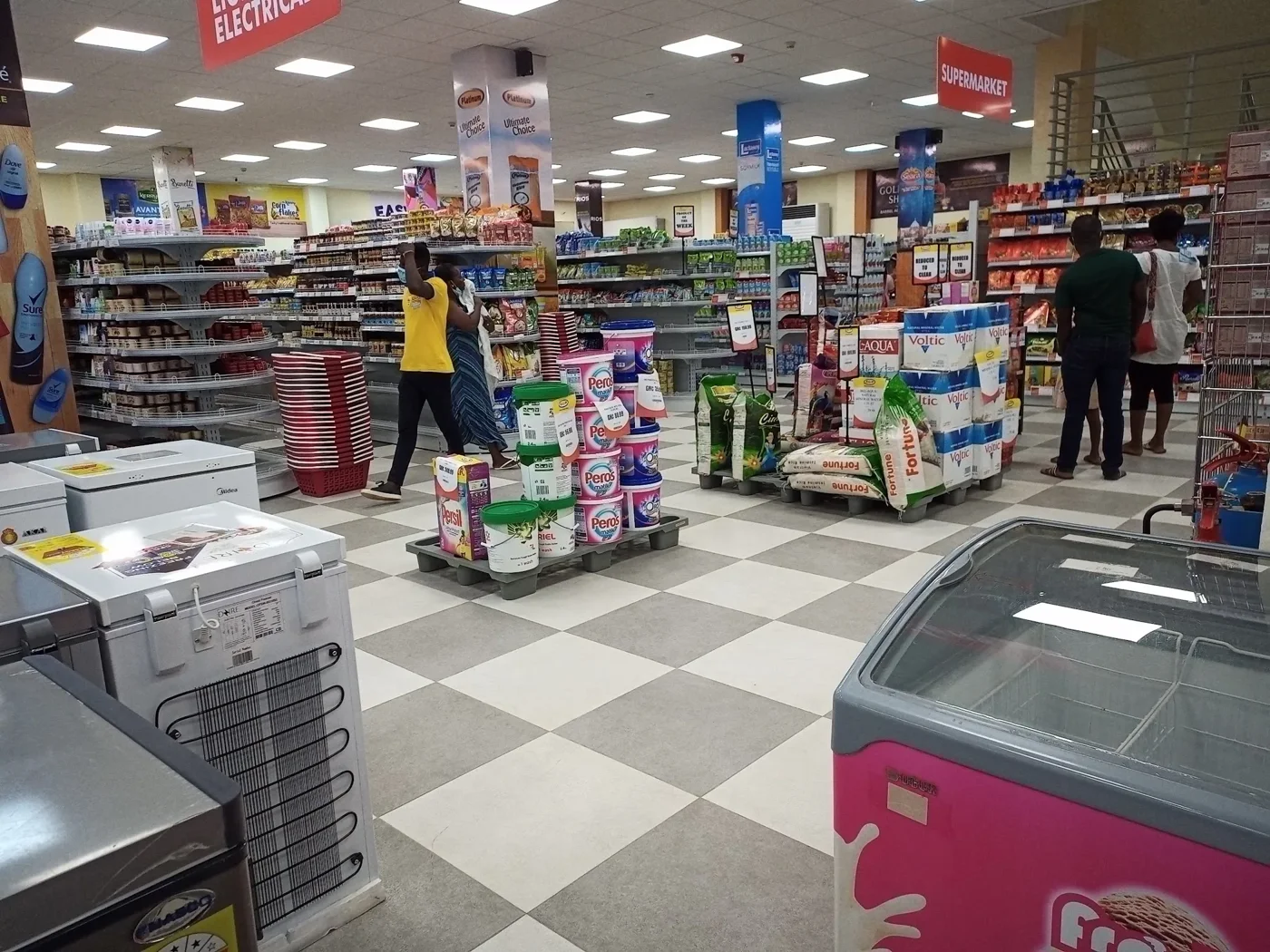
Photo 30 · TortoisePath listing; underlying photographer unconfirmed. Picture source. Resized for display; no crop.
Building a brand through service and repetition
Melcom's slogan, Where Ghana Shops, expresses a broad ambition. The company dates its brand identity refresh to September 2022 and links the revised identity to changes in its customer offer and execution. Visual renewal can help a familiar business signal that it is evolving. [14]
A new logo cannot carry that message alone. Customers judge a retailer through small, repeated encounters: finding a product, understanding its price, receiving help and resolving a problem after purchase. A brand grows more credible when these experiences support what the advertising promises.
After-sales support is especially relevant to appliances and electronics. Crownstar describes itself as a service centre supporting products sold through Melcom. For a household making a significant purchase, access to repair can influence the decision alongside the initial price. The commercial value comes from reducing uncertainty about what happens if the product develops a fault. [10]
Melcom dates the launch of its Supersaver loyalty programme to 2009 and describes additional midweek offers for members. Such programmes create an opportunity to encourage repeat visits, but membership totals alone do not show that a scheme is profitable. A business should assess whether incentives improve retention and purchasing enough to justify their cost. [5]
The lesson for a new brand is to give marketing an operational foundation. Define a promise staff can deliver, measure the experience, and repair recurring failures. Repetition builds familiarity; dependable repetition gives familiarity commercial value.

Photo 08 · Melcom Group; trademarks belong to their owner. Picture source. Resized for display; no crop.
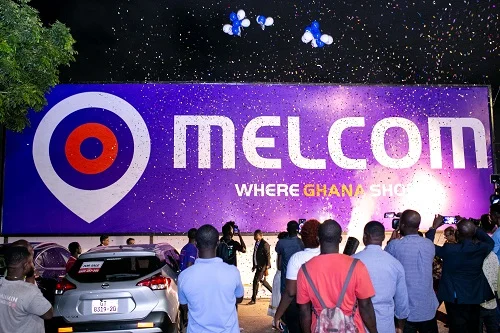
Photo 09 · Melcom Group; photographer not identified. Picture source. Resized for display; no crop.

Photo 10 · Melcom Group; photographer not identified. Picture source. Resized for display; no crop.

Photo 17 · Melcom Group; photographer not identified. Picture source. Resized for display; no crop.
Digital growth grounded in fulfilment
Melcom says it launched its e-commerce portal in 2017. The strategic question for an established retailer moving online is whether the digital offer can accurately represent products, prices and stock, and then complete the order as promised. [15]
In a 2022 Oxford Business Group interview, Ramesh Sadhwani described the difficulties created when online listings remain visible after a supplier's stock or price has changed. He also explained that Melcom had booked shipping space ahead during supply disruptions, while still having to raise some prices and discontinue certain merchandise. The account presents adaptation with limits, rather than immunity from disruption. [16]
In March 2026, Sadhwani told Gulf News that Melcom was preparing a hyperlocal delivery platform called NOW, using stores as fulfilment centres. He described a target of 20-minute delivery, inventory synchronisation and cold-chain delivery preparations. These were management's stated plans and targets at the time of the interview, rather than independently verified nationwide service outcomes. [17]
The underlying opportunity is to make physical assets useful in another channel. A well-positioned store can become a nearby point from which orders are picked and dispatched. The same arrangement can strain the shop if online picking disrupts customers, stock records are inaccurate or delivery charges fail to cover the cost.
For entrepreneurs, the order of work matters. Establish accurate stock records, reliable payment confirmation and clear delivery responsibilities before promising greater speed. A digital interface expands access to a business; its reputation still depends on completing the transaction.
Financing expansion and controlling operating costs
IFC's investment disclosure provides a useful view of a later phase of expansion. It describes a US$61 million-equivalent project: up to US$30 million from IFC, up to US$20 million in mobilised loans, and US$11 million from internal company funds. The programme includes 22 planned stores and upgrades to logistics, technology and energy systems. The record lists approval in December 2023, signing in September 2024 and an invested milestone in January 2026. Those milestones do not establish that every planned store is complete or the entire financing envelope has been drawn. [18]
Separate reporting in May 2024 documented a rooftop solar installation at Spintex and installations at Tema and Madina, financed with a GH¢13 million loan from SG Ghana. The reported potential reduction in Spintex electricity costs was a projection, not a verified saving presented here. [19]
These examples suggest that expansion involves the financial and operating structure around a store as much as the store itself. Long-lived investments need funding terms compatible with the period over which they produce cash. Energy efficiency deserves attention because recurring costs affect the amount available for service, stock and future investment.
Melcom is privately owned, and the reviewed material does not establish its current revenue, net profit, margins or total debt. Store openings and financing are evidence of activity and investment, not substitutes for profitability data. For business owners, this distinction is essential: growth should be assessed through cash generation and returns as well as visible size.
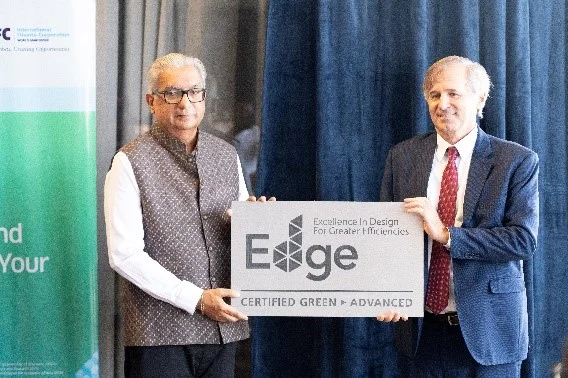
Photo 11 · Melcom Group; photographer not identified. Picture source. Resized for display; no crop.
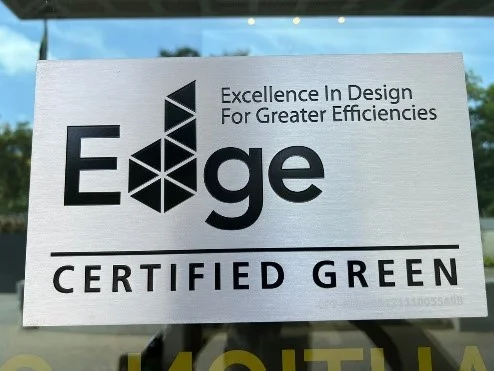
Photo 12 · Melcom Group; photographer not identified. Picture source. Resized for display; no crop.
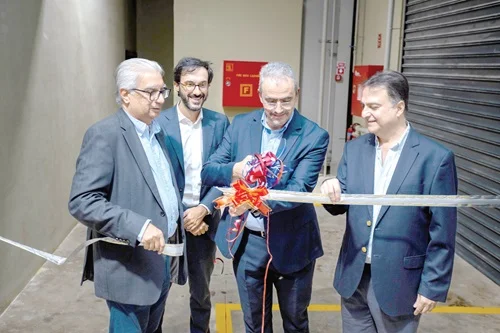
Photo 21 · Graphic Communications Group; photographer not specified. Picture source. Resized for display; no crop.
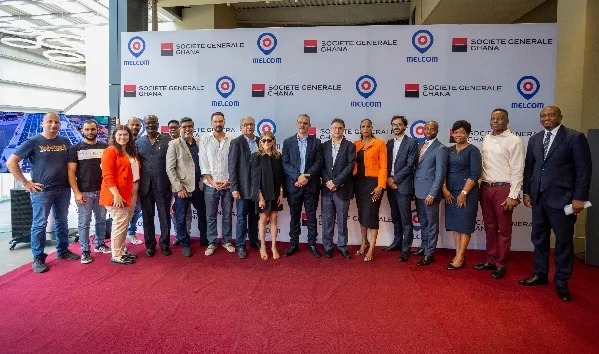
Photo 22 · Graphic Communications Group; photographer not specified. Picture source. Resized for display; no crop.
A tragedy that belongs in the business history
On 7 November 2012, the rented building housing Melcom's Achimota branch collapsed, killing 14 people. Graphic's later account records the disaster and the company's opening of a new, company-owned Achimota store in October 2017. At that opening, company representatives described the use of engineers and architects and an increased emphasis on structural safety. [20]
The deaths must remain central to this part of the history. The continuation of a business does not erase the loss experienced by families, staff and the wider community. A responsible case study can examine subsequent decisions without turning a fatal disaster into a celebratory marketing narrative.
The practical lesson is that buildings, maintenance and safety oversight are management responsibilities. A lease should not end an operator's interest in the suitability of its premises. Expansion needs competent technical advice, documented inspections and a process for acting on concerns. Safety requires continuing attention even after a store has opened and begun trading.
Leadership beyond the founder
Khubchandani died on 25 January 2021, aged 84. The company continued under a leadership structure that already involved other family members and professional executives. Its subsequent expansion demonstrates continuity, although public information does not establish every detail of its succession arrangements. [21, 22]
The ownership schedule in IFC's disclosure identifies the founder's wife, Sheila Khubchandani, his daughters Rani Melwani and Sonya Sadhwani, and sons-in-law Mahesh Melwani and Ramesh Sadhwani as shareholders. This is the ownership disclosed for that transaction, rather than a fresh share-register verification. The corporate leadership page reviewed for this article lists Ramesh as Group Managing Director, Sonya and Manoj Sadhwani as Group Executive Directors, alongside specialist executives. [18, 22]
This illustrates why ownership and day-to-day responsibility should be considered separately. A family may retain ownership while delegating finance, procurement, operations and technology to people with defined expertise. Continuity becomes more likely when decisions can be made without every matter returning to the founder.
The challenge for a growing business is to transfer knowledge deliberately. Record how buying decisions are made, who can approve spending and what happens when a senior leader is unavailable. Develop managers before the organisation urgently needs them. Public growth after a founder's death cannot prove that a transition was effortless, but it can show that the enterprise has continued to function beyond one individual.
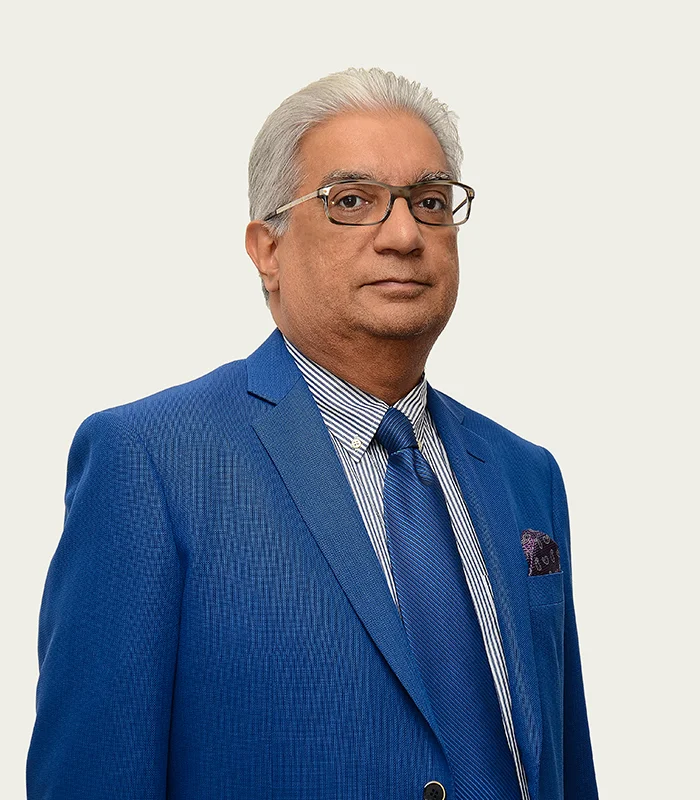
Photo 05 · Melcom Group; photographer not identified. Picture source. Resized for display; no crop.

Photo 06 · Melcom Group; photographer not identified. Picture source. Resized for display; no crop.

Photo 07 · Melcom Group; photographer not identified. Picture source. Resized for display; no crop.
People and community as long term commitments
Melcom's scale also depends on people who can run its operations. In February 2026, the Accra Metropolitan Assembly reported Sadhwani's statement that the company employed about 6,000 Ghanaians and had more than 100 vacancies, with shortages in technical skills. This is a management-reported employment figure. More significantly for students, the account identifies practical capabilities that an expanding business needs. [23]
In a separate February 2026 report, Ghana News Agency recorded a donation to four educational institutions marking the fifth anniversary of the founder's death. It also reported management's account of the Melcom Care Foundation's continuing health and education work. These activities provide evidence of an ongoing community commitment; they do not measure its effect on sales or customer loyalty. [24]
For WEKKAN's readers, both points connect enterprise with development. Businesses need capable employees, and young people benefit from learning that corresponds to real work. Community investment is strongest when it addresses a defined need and its results can be explained. Its value should be assessed on those terms, alongside the company's responsibilities to staff, suppliers and customers.
What Melcom teaches about competitive strength
Melcom competes in a market containing several forms of retail, each with its own strengths. A neighbourhood shop may win on immediate proximity. An open-market trader may offer flexibility or specialist knowledge. A supermarket, department store or online seller may compete through a different combination of assortment and service. A useful strategy starts by understanding the particular purchasing occasion.
Melcom's documented decisions support an interpretation of competitive strength built through connected capabilities. Its store network makes the offer accessible; logistics supports availability; production and sourcing relationships support selected categories; service adds reassurance; digital investment seeks additional ways to reach the customer. The strength of the combination is that improving one part can increase the usefulness of another.
This does not prove that Melcom offers the lowest price on every product, caused a competitor's departure, or holds a particular share of all retail spending. It explains why a long-established operator with substantial local infrastructure can remain formidable even when new competitors appear.
The next tests follow directly from that model. Broader operations need stronger management. Faster delivery must work economically. More stock requires careful cash control. New stores need consistent service and safety. The capabilities that support growth also create obligations that grow with the business.
Building your own business over time
Melcom's experience is most useful when translated into decisions a reader can act on. A new business can begin with a narrow offer, provided it understands the customer and delivers reliably. The first task is to establish something that people want to buy again and that the organisation can supply without exhausting its cash.
Before expanding, ask what the business has actually learned. Which products generate repeat demand? What does it cost to serve each customer? Which complaints recur? Who can run the operation when the founder is elsewhere? These answers give a stronger basis for the next investment than ambition alone.
For students, the case also broadens the meaning of entrepreneurship. A retail brand needs skills in logistics, purchasing, accounting, technical maintenance, software, marketing and management. Understanding one of these functions deeply can create a route into enterprise as an employee, supplier, specialist or founder.
WEKKAN's belief in We Can gains substance through this kind of preparation. Confidence can initiate a venture. Learning, sound decisions and disciplined execution give it a chance to endure. Melcom's history invites readers to think in years: build relationships, improve the operation and prepare people to carry the business forward.
Practical lessons for business builders
These are WEKKAN learning applications, rather than a claim about Melcom's internal performance measures.
| Business area | Action to take | What to review |
|---|---|---|
| Customer promise | Define the customer and the recurring problem you solve | Repeat purchases and recurring complaints |
| Cash and stock | Track replenishment, unsold goods and payment commitments | Stock age, cash available and supplier payments due |
| Expansion | Prove that the existing operation can run consistently | Branch contribution and delivery cost per location |
| Service | Assign responsibility for complaints, repairs and returns | Resolution time and repeat faults |
| People | Train managers and document delegated authority | Roles with a trained deputy and operational skills gaps |
| Digital channels | Connect what the website promises with what the operation can deliver | Order fulfilment, cancellations and cost per delivery |
| Safety | Arrange competent inspection and act on findings | Unresolved inspection actions and maintenance completion |
| Investment | Test whether growth produces cash and an acceptable return | Cash generated after operating and investment needs |
Sources and editorial note
- Melcom Group. The Founder's Memoirs. Undated corporate memoir. Accessed 27 October 2026.
- Melcom Group. Our History. Undated corporate history. Accessed 27 October 2026.
- Edzorna Mensah for GBC. Business Development Minister charges young entrepreneurs to remain focused. 10 September 2019. Accessed 27 October 2026.
- Pulse Ghana. Melcom opens two new shops totalling seven in Kumasi. 28 March 2019. Accessed 27 October 2026.
- Melcom Group. Melcom LTD. Undated corporate profile with historical figures. Accessed 27 October 2026.
- International Finance Corporation. Melcom Limited Environmental and Social Review Summary. Project 46652; November 2023 assessment. Accessed 27 October 2026.
- Alex Baah Boadi for Ghana News Agency. Melcom opens second branch in Western North Region. 13 March 2024. Accessed 27 October 2026.
- Melcom Group. Supply Chain Infrastructure. Undated corporate infrastructure profile. Accessed 27 October 2026.
- Melcom Group. Century Industries LTD. Undated corporate profile. Accessed 27 October 2026.
- Melcom Group. Crownstar Electronics. Undated corporate profile. Accessed 27 October 2026.
- Melcom Group. Melcom Mini. Undated corporate profile. Accessed 27 October 2026.
- Citi Newsroom. Melcom opens store at West Hills Mall. 1 February 2024. Accessed 27 October 2026.
- Beatrice Laryea for Graphic Online. Melcom opens new branch at Accra Mall. 16 December 2024. Accessed 27 October 2026.
- Melcom Group. Melcom Rejuvenated. Undated page describing September 2022 refresh. Accessed 27 October 2026.
- Melcom Group. Melcom Online. Undated corporate profile. Accessed 27 October 2026.
- Oxford Business Group. Ramesh Sadhwani Co CEO Melcom Interview. The Report Ghana 2022. Accessed 27 October 2026.
- Gulf News GN Focus. Melcom How Ghana's retail giant continues to evolve. 24 March 2026; interview with Ramesh Sadhwani. Accessed 27 October 2026.
- International Finance Corporation. Melcom Limited Summary of Investment Information. Project 46652; updated 10 January 2026. Accessed 27 October 2026.
- Beatrice Laryea for Graphic Online. Melcom SG Ghana install 1.6MW solar energy to power shops. 3 May 2024. Accessed 27 October 2026.
- Timothy Ngnenbe for Graphic Online. Melcom opens shopping mall at Achimota. 26 October 2017. Accessed 27 October 2026.
- Ghana News Agency. GFA commiserates with Melcom Group of Companies over the death of their founder. 27 January 2021. Accessed 27 October 2026.
- Melcom Group. Leadership. Corporate roster reviewed 27 October 2026. Accessed 27 October 2026.
- Accra Metropolitan Assembly. Mayor of Accra lobbies jobs for PWDs youth. 24 February 2026. Accessed 27 October 2026.
- Jibril Abdul Mumuni for Ghana News Agency. Melcom honours founder with GH 40000 donation to four schools. 3 February 2026. Accessed 27 October 2026.
Newsletter
Useful thinking, in your inbox.
Occasional emails with new Insights on business, marketing and the changing world, and — if you choose — updates on Future by Design sessions and resources. No spam; unsubscribe at any time.