
Latest Thinking· Article
Preparing for 2036
How students can build skills and stay relevant in a changing world
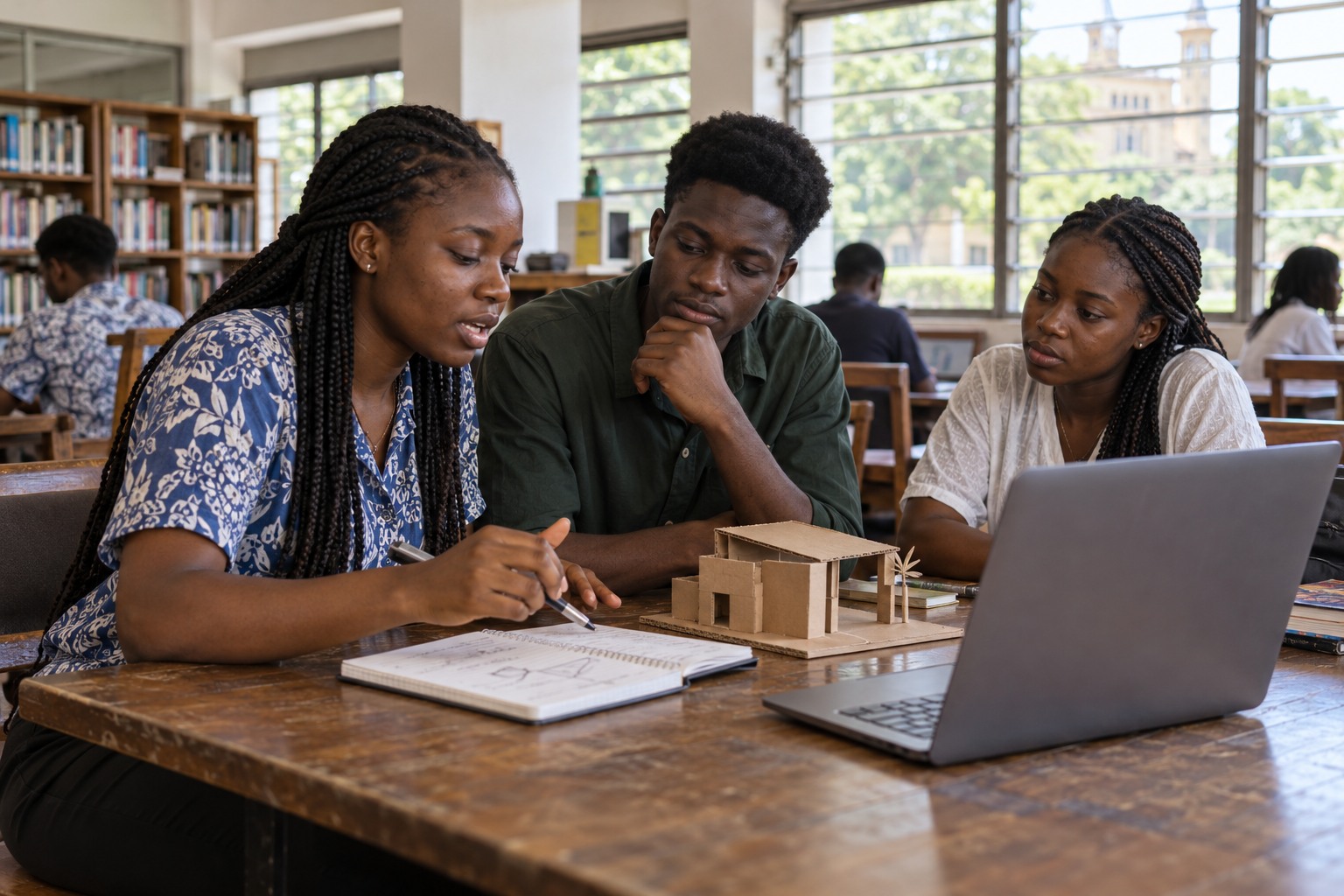
Build useful skills by working on real problems with others.
If you are sixteen today, you will be twenty-six in 2036. You may be completing professional training, working in your first serious role, running a business or changing direction after discovering a new interest. The choices you make now will influence how many options you have then.
Over those ten years, artificial intelligence will continue to develop. Businesses will adopt new tools at different speeds. Energy systems, education and healthcare will face changing demands. Some familiar tasks will become easier to automate, while new responsibilities will emerge around them.
You cannot make yourself immune to change. You can build the ability to learn, solve useful problems and adjust your plans. That is what preparing for the future means in practice, and it is central to Future by Design.
What we can reasonably expect
No one can give you a reliable list of the best careers in 2036. Many widely quoted employment forecasts only extend to 2030. We should use them as signals for preparation rather than promises about a particular student's future.
The World Economic Forum's Future of Jobs Report 2025 found that surveyed employers expected 39% of workers' existing skills to change or become outdated between 2025 and 2030. Analytical thinking remained their most sought-after core skill. These are global employer expectations, not a prediction that 39% of Ghanaian jobs will disappear. 1
Looking from 2026 towards 2036, several developments deserve your attention. The pace will depend on investment, infrastructure, policy and what organisations can afford. Ghanaian students should therefore consider both international trends and the practical needs around them.
AI will change the tasks inside careers
The International Labour Organization's 2025 research found that about one in four jobs worldwide had some exposure to generative AI. Exposure describes tasks that technology could perform; it does not mean one in four jobs will be eliminated. The organisation emphasises that outcomes depend on adoption and how people are supported to adapt. 2
For a student, the useful question is how your chosen field's work might change. An accountant may spend less time entering information and more time investigating discrepancies. A designer may produce initial options faster and need stronger judgement about which ones suit a client. A teacher may use software to prepare resources while taking responsibility for the learner's understanding. These are examples of possible changes, not guarantees about every workplace.
Learn the fundamentals of your subject well enough to recognise errors. Then learn how relevant tools can help you work more effectively. A polished answer is valuable only when it is accurate and appropriate.
Opportunity will extend beyond software
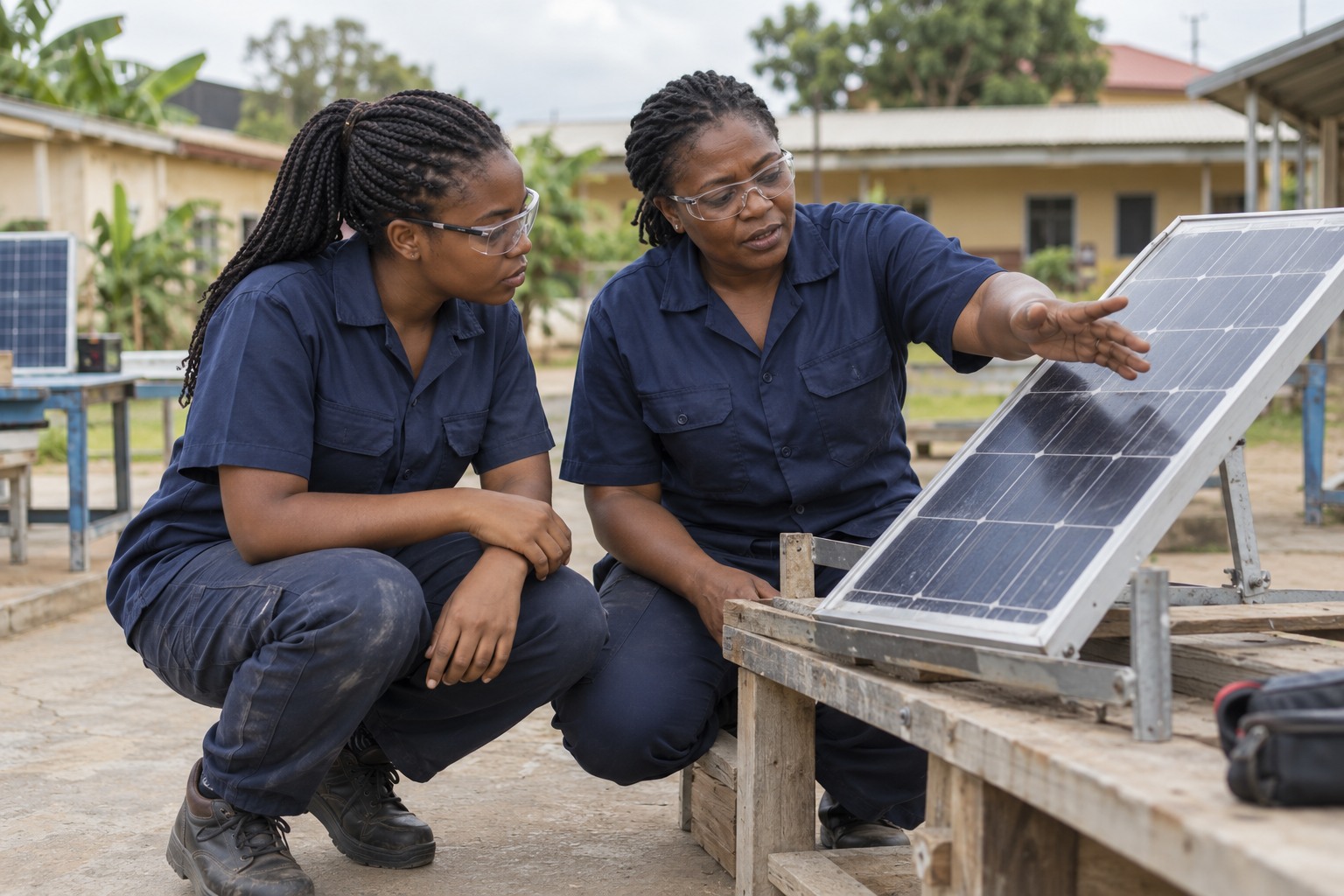
An increasingly digital economy still needs people who can install equipment, maintain buildings, grow food and care for others. The International Energy Agency's World Energy Employment 2025 report identifies shortages in applied technical occupations, including electricians and power-line workers, and projects further energy employment growth to 2035 under different scenarios. 3
For students in Ghana, this suggests worthwhile areas to investigate: solar installation and maintenance, efficient cooling, food storage, water management and reliable electrical systems. These are possibilities to explore through local employers and training providers, not assurances of vacancies or income.
University, technical and vocational education, apprenticeships and professional training can each provide a serious route forward. Compare accreditation, teaching quality, practical experience, costs and progression options. Choose a route that develops genuine competence in work you are willing to learn.
Evidence of ability will strengthen your qualifications
A recognised qualification can open doors and is essential in many regulated professions. Alongside it, build examples that help someone understand what you can do.
That might be a carefully researched essay, a working spreadsheet, a repaired device, a short film or a useful school project. Record the problem, your contribution and what changed after you tested your idea. Include mistakes and improvements. A credible small project can reveal more about your judgement than an impressive title you cannot explain.
As online tools make it easier to produce convincing material, be ready to discuss how you reached a conclusion and demonstrate your own understanding. Keep track of sources, permissions and any AI assistance.
More connections will bring wider competition
Digital communication can help you learn from people outside your school, town or country. Some work can also be delivered across borders. Access, however, depends on connectivity, payment arrangements, language, professional requirements and an organisation's hiring policies.
Prepare by learning to write clear emails, meet deadlines and organise shared work. Protect your accounts and verify unfamiliar opportunities. A reliable local project is a useful place to practise the habits that a distant client or colleague would also need to trust.
Build a strong base and a useful combination of skills
You do not need to become good at everything. Start with one field you want to understand deeply, then add skills that help you apply it. A useful preparation plan has five parts.
A solid education. Take reading, writing, numeracy and your core subjects seriously. They help you understand instructions, assess evidence and learn unfamiliar material. Choose courses with a clear view of their entry requirements and the further training they may require.
Practical digital competence. Become comfortable with documents, spreadsheets, presentations, online research and secure file management. Add tools used in your field. You may benefit from coding, but its importance depends on the work you want to do.
Human judgement and communication. Practise asking good questions, listening carefully and explaining an idea to someone who does not share your background. Learn to disagree respectfully and recognise the limits of your knowledge.
Experience with real responsibilities. Join a project, support a community organisation, arrange supervised work experience or take a useful role in a school club. Aim to finish something that another person actually needs. Ask for feedback while you still have time to improve it.
An understanding of how value is created. Learn basic budgeting and how organisations serve people. Even if you never start a company, understanding costs, customers and resources will help you make better decisions at work.
The value often comes from the combination. An agriculture student might add record keeping and market research to crop knowledge. A fashion student might combine garment construction with costing and digital sales. An electrical apprentice might learn customer communication and scheduling alongside technical work. Each develops a clearer way to contribute.
Use AI to deepen your learning
AI can help you practise, explore explanations and get feedback. It can also produce confident mistakes and make it easy to submit work you do not understand. Your method matters.
First, attempt the task yourself. Then ask the tool to identify weaknesses, explain a difficult step or test your understanding. Check important claims against reliable sources. Finally, close the tool and explain the idea or solve a similar problem independently.
For example, ask an AI tutor to give you a new algebra problem after explaining one you found difficult. In a writing assignment, ask which argument needs more evidence, then find and assess that evidence yourself. In a project, compare its suggestions with the needs of the people who will use your work.
Follow your school's rules about AI and acknowledge assistance when required. Keep private information out of tools unless its use is properly authorised. The aim is to leave the exercise more capable than when you began.
Start with a problem close to you
Imagine Ama, a student interested in agriculture. She notices that a school garden sometimes loses seedlings because watering is inconsistent. With a teacher's permission, she helps keep a simple watering record and compares the results over several weeks.
She uses a spreadsheet to organise observations, reads about the plants' needs and asks the gardener what is practical. Her first schedule may fail during a school break. She revises it, records what happened and presents the limits of her findings honestly.
Ama has begun to practise subject knowledge, measurement, communication and teamwork through one modest project. She also has something concrete to discuss with a mentor. This is an illustrative example, but the approach is available in many settings. Start with a manageable problem and seek the permission and supervision it requires.
Make a practical plan for the next twelve months
You do not need a detailed ten-year timetable. You need a direction you can test and a routine that helps you make progress. Adapt this plan to your school calendar, resources and responsibilities.
| Period | Focus | Evidence of progress |
|---|---|---|
| Month 1 | Explore two possible fields and speak with a teacher or practitioner about each. Identify one foundational skill to improve. | A page comparing interests, entry requirements, costs and questions still to answer. |
| Months 2 to 3 | Follow a manageable learning routine and complete one relevant introductory course or guided exercise. | A completed task you can explain without assistance. |
| Months 4 to 6 | Work on a small project for a real user, with permission and supervision where needed. | A first version, user feedback and a record of your contribution. |
| Months 7 to 9 | Improve the project and seek supervised exposure to the field through a visit, placement or mentor conversation. | A revised result and notes on what the work is actually like. |
| Months 10 to 12 | Organise your best work and review your education or training options. | A small portfolio and an updated plan for the following year. |
Keep the routine realistic. A regular hour of focused practice can be more sustainable than an ambitious timetable you abandon. Protect time for your formal studies, rest and relationships.
If you have limited internet access or no personal laptop, begin with resources you can use: books, teachers, a shared school computer and practical projects. Download permitted learning material when connectivity is available. A paper portfolio can still show careful thought and useful work. Access barriers are real; schools, families and institutions also have a responsibility to help students overcome them.
Find people who can help you improve
A mentor can help you understand a profession, challenge an assumption or spot a training requirement you have missed. Arrive with a specific question or a piece of work. After the conversation, act on useful advice and report what you learned.
Peers matter too. A small group can review one another's work, practise presentations and share verified opportunities. Choose people who respect your time and are willing to give honest feedback. Be equally useful to them.
Build trust through ordinary actions. Turn up when you say you will. Credit other people's contributions. Admit an error and correct it. These habits give teachers, employers and collaborators a reason to rely on you.

Review your direction without losing your purpose
Every three months, ask yourself four questions: What can I do now that I could not do before? What evidence shows that I am improving? What have I learned about the field I want to enter? What should I change next?
Your answers may confirm your original ambition. They may lead you towards a related field or a different training route. Treat new information as a reason to think carefully. You are allowed to revise a plan as your understanding grows.
At WEKKAN, the belief that “we can” becomes useful when it leads to purposeful preparation and disciplined action. Future by Design encourages you to connect the future you hope for with the work you can begin today.
Choose one skill to strengthen, one problem to investigate and one person to learn from. Give yourself a realistic date to review your progress. By 2036, you will have had many opportunities to repeat that process and grow through it.
Explore Future by Design for more ideas on education, mentorship and personal development.
Sources and further reading
- World Economic Forum. The Future of Jobs Report 2025. Global employer survey and projections covering 2025 to 2030. https://www.weforum.org/publications/the-future-of-jobs-report-2025
- International Labour Organization. Generative AI at work What it means for jobs in Europe and beyond. 29 September 2025. Discusses the ILO and NASK occupational exposure research. https://www.ilo.org/resource/article/generative-ai-work-what-it-means-jobs-europe-and-beyond
- International Energy Agency. World Energy Employment 2025. Executive summary, including employment scenarios to 2035 and technical skills shortages. https://www.iea.org/reports/world-energy-employment-2025/executive-summary
The outlook to 2036 is an interpretation of available evidence, not a forecast of guaranteed jobs or earnings. Research checked on 27 October 2026.
Images are AI-generated illustrations. The people and settings are fictional and do not depict actual Future by Design participants or events.
Related Insights
Latest ThinkingArticle
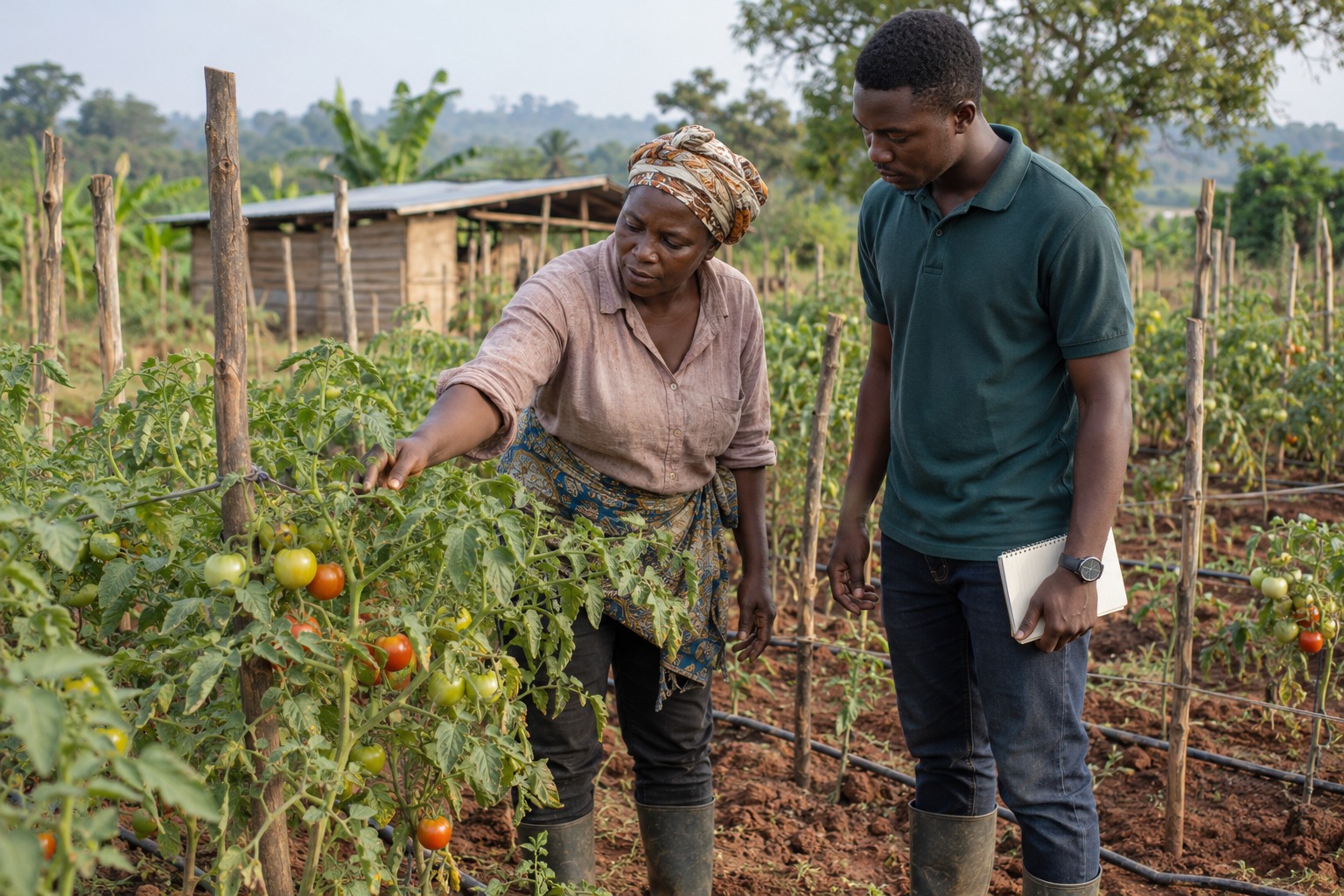
Agriculture: Can it still be the backbone of the African economy?
Can agriculture remain a foundation of African prosperity? Explore the next decade of food production, processing, technology, climate risks and careers.
Newsletter
Useful thinking, in your inbox.
Occasional emails with new Insights on business, marketing and the changing world, and — if you choose — updates on Future by Design sessions and resources. No spam; unsubscribe at any time.